The Rise of Digital Nomad
When Covid took the world into shutdown mode, we saw a rise in the digital nomad community from professionals seeking to break free from home and still work. The hospitality industry responded by offering flexible workstation and homestay packages where remote workers can comfortably and productively do their jobs online while exploring the world. The concept is revolutionizing the way people work — creating transformative opportunities for remote workers and the travel sector. Read this blog for insight.
What is a workation and how is it changing remote work?
A workation is a setup where you do your regular job remotely while staying in a vacation-style location. Instead of working from your city apartment, you might work from a homestay in the hills, a beach villa, or a nature resort.
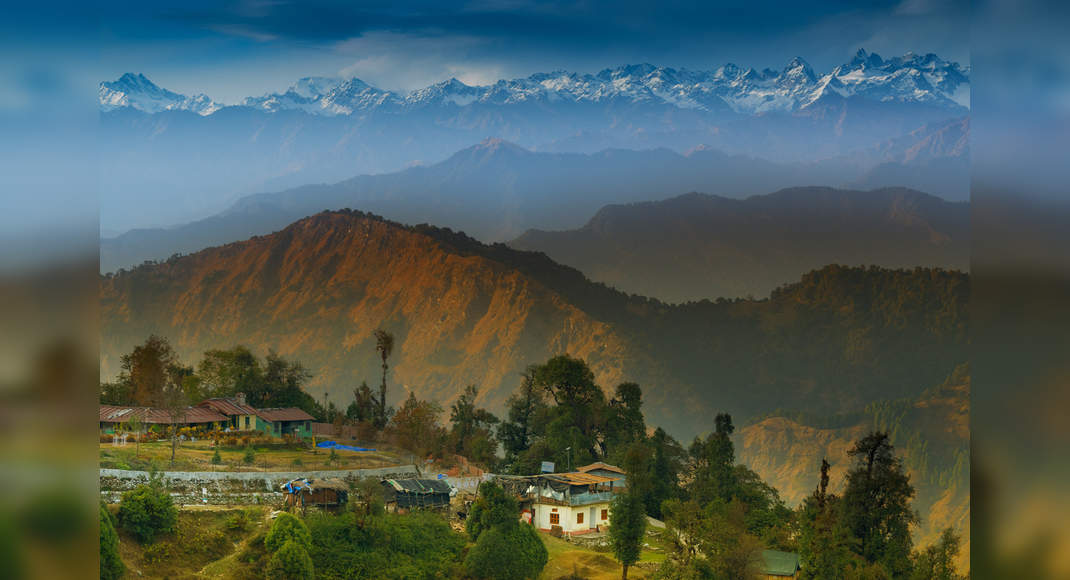
During the lockdown and subsequent “Unlock 1.0” phase, many professionals in India started reimagining remote work. After 90+ days of lockdown, people like Shaili (who moved to a Himalayan lodge for a month) looked for a change of scene without taking a career break.
Hospitality brands have responded by designing specific workation packages:
- Homestays of India introduced “work from homestay,” combining home-like comfort, basic office facilities, and nature.
- SaffronStays encourages guests to work from vacation homes in places like Khandala, Alibaug, Ooty, or Goa, typically for a minimum of 1 month in one home.
- IHCL (Taj, Ama Stays) has customised hotels and bungalows in Goa, Coorg, Chikmagalur, and Alleppey to support remote work with seamless Wi-Fi and quiet spaces.
In practice, a workation lets you work from morning to late afternoon, then use evenings and weekends to relax or explore your surroundings. It’s a way to rethink work-life balance: you keep your job, but change your environment, reduce stress, and often get closer to nature.
What do I need for a successful workation?
Most workation-friendly stays in India focus on a few practical essentials so you can work productively and still feel like you’re on a break.
Key requirements include:
- Reliable internet: Uninterrupted Wi-Fi is the main non‑negotiable. Hospitality brands explicitly call this out as today’s working professionals are “upping their internet game.”
- Dedicated workspaces: Many properties now offer quiet corners, nature-inspired workspaces, or in-room desks so you can take calls and focus.
- Longer-stay packages:
- Some brands, like SaffronStays, require at least 1 month in one home, with guidelines such as not leaving the property for the first 14 days.
- Zostel’s “movein with Zostel” offers 15–30 day packages, making it easier to test the lifestyle.
- Safe, hygienic spaces: Hotels and homestays emphasise safety, hygiene, and touchless hospitality to make longer stays comfortable.
- Food and basic services: From homely meals at homestays to full culinary options at resorts and hotels, having dependable food on-site reduces friction in your workday.
- Access to nature and quiet: Many workation spots are in the hills, by the beach, or in green estates, giving you calm surroundings to decompress after work.
When evaluating a property, check:
- Internet speed and backup options
- Minimum stay rules and movement restrictions (e.g., first 14 days on-site)
- Workspace setup (desk, chair, power points, quiet zones)
- On-site dining or kitchen access
- Health and safety protocols
With these in place, a workation can feel like a practical extension of your normal work routine, just in a more inspiring setting.
How much does a workation cost in India?
Workation pricing in India is quite varied, so you can usually find something that fits your budget and work style.
From the examples in the travel and hospitality space:
- Mid-range to premium stays:
- Many workation packages start at around ₹20,000 per month and can go up to about ₹1,12,000 per month, depending on the type of property, location, and services included.
- These are often hotels, resorts, or premium homestays offering strong Wi-Fi, housekeeping, and curated experiences.
- Budget-friendly options (e.g., Zostel):
- Dormitory packages: Approximately ₹4,000 for 15 days and ₹7,000 for 30 days.
- Private room packages: Around ₹10,000 for 15 days and ₹18,000 for 30 days.
What you get for these prices typically includes accommodation, Wi-Fi, and access to common areas. Higher-priced options may add more privacy, better workspaces, enhanced safety protocols, and stronger hospitality services.
For digital nomads and remote workers, this means you can:
- Test the lifestyle with a 15-day budget package, or
- Commit to a month-long stay in a more premium setting with additional comforts.
Either way, the cost structure is designed to make longer stays feasible while you continue your regular job from a different location.
The Rise of Digital Nomad
published by Apex Digital Solutions
At Apex Digital Solutions, we aim to empower people to make a positive difference in the lives of others. For us, that means providing transformational technology experiences and solutions to help you be more secure, productive, and engaged—and partnering with you to achieve long-term success.
We are highly collaborative and action-oriented. Moreover, we are dedicated to combining in-depth technical talent and expertise to deliver solutions for every stage in the digital transformation journey, including solutions around modern work and security. Our offerings cover IT consulting services, managed services, cloud licensing, and hardware sales. Supporting the Continental US through our hybrid workforce headquartered in Metro Detroit, Michigan, Apex boasts:
- Consistent 99% customer satisfaction ratings
- An 80+ Net Promoter Score
- Nearly 25 years of service
Contact us today at hello@apexdigital.com to get Technology for People’s Sake.




 Sign in with LinkedIn